Download The Power of Race in Cuba: Racial Ideology and Black Consciousness During the Revolution (Transgressing Boundaries: Studies in Black Politics and Black Communities) - Danielle Pilar Clealand | ePub
Related searches:
The Power of Race in Cuba: Racial Ideology and - Amazon.com
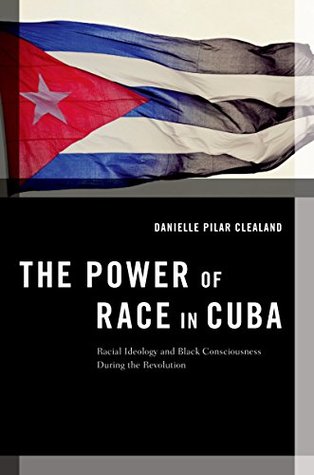
The Power of Race in Cuba: Racial Ideology and Black Consciousness During the Revolution (Transgressing Boundaries: Studies in Black Politics and Black Communities)
The Power of Race in Cuba Racial Ideology and Black
African-Americans and Cuba in the Time(s) of Race - ScholarWorks
Race in Cuba: Essays on the Revolution and Racial Inequality
The Cuban Revolution and the Myth of Racial Inclusivity AAIHS
Black Artists and Race in the U. S. and Cuba. Reflections after more
Race and Inequality in Cuban Tourism During the 21st Century
Antiracism and the Cuban Revolution: An Interview with Devyn
(PDF) Race in Cuba: Essays on the Revolution and Racial
Race and economic inequality in Cuba – The Have and Have-Nots
Book Review: Race in Cuba: Essays on the Revolution and Racial
The Power of Race in Cuba - Hardcover - Danielle Pilar Clealand
Dr. Danielle Clealand - UT College of Liberal Arts: - The University
â•œTHERE IS NO RACISM IN CUBAâ•š: A FIELD STUDY OF THE â
The place of race in Cuba - Africa Is a Country
Race, Revolution, and Politics in Havana and Miami - eScholarship
Clealand, Danielle Pilar. The Power of Race in Cuba: Racial
Race, Politics, Power, and Institutionalization in Cuba*
Racism in Cuba: banned by law, alive on the streets
The Resurgence of Racism in Cuba NACLA
8. The Changing Meaning of Race America Becoming: Racial
The Power of Race in Cuba: Racial book by Danielle Clealand
Opinion Ending Systemic Racism Is the Revolution Cuba Needs
1—Challenges of the Racial Question in Cuba
Mobilizations of Race, Place, and History in Santiago de Cuba's
Queloides: Race and Racism in Cuban Contemporary Art – Museum
Opinion Latinos can be racist, too. My community shows how. - The
African American Radicals and Revolutionary Cuba - OpenstarTs
CUBA – Race and Equality
Fidel Castro's Legacy On Race Relations In Cuba And Abroad
Book Presentation The Power of Race in Cuba Cuban
Race and Income Inequality in Contemporary Cuba NACLA
Lesson Plan: Race and Government Policy in Revolutionary Cuba
CUBA: Racism - Taboo, Complicated and Thorny Issue
Race, power and privilege Cultural Diversity and Inclusive
Both nationalist and socialist concepts are well circulated within cuba. However, white populations maintained political and social dominance for much of cuba’s history. Progress towards racial equality, such as the formation of the independent party of color in 1908, was violently eliminated.
Although afro-cubans constituted anywhere from 50 to 70% of the fighting forces against the spanish, when cuba gained independence, progress in race relations was very slow.
1—challenges of the racial question in cuba there are very few contemporary writings on the subject of race in this country, and those that do exist are by and large found in journals, espe-cially temas and catauro. 1 abroad, there have been more publications dealing with the subject on a contemporary basis.
My book, the power of race in cuba: racial ideology and black consciousness during the revolution, was published by oxford university press in 2017.
15 jan 2017 since 2006, i have studied the role of racializing discourses and performances in producing blackness and its racial alters.
These images emerged subtly and blatantly in government documents and rhetoric, art, theater and music, newspaper stories and editorials, idle chat and academic discussions.
In her talk, clealand considers the rhetoric and policies of the state regarding racism and racial inequality in cuba and the resultant racial norms produced through the decades of the revolution. Amidst the ideology of racial democracy (present throughout the americas), clealand explores what racial consciousness looks like among black cubans.
The power of race in cuba: racial ideology and black consciousness during the though the notion that racism is uniquely an american” problem is globally.
The power of race in cuba: racial ideology and black consciousness during the revolution in her talk, clealand considers the rhetoric and policies of the state.
In the power of race in cuba, danielle pilar clealand analyzes racial ideologies that negate the existence of racism and their effect on racial.
Race and the revolution when castro first came to power in cuba, the afro‑cuban population was disproportionately poor and marginalized, lacking sufficient medical care, social services and educational opportunities.
1 finally, the cuban revolution was a third later inspired the ideology of the black power movement such as robert wil-.
The power of race in cuba: racial ideology and black consciousness during the revolution. I this book analyzes racial ideologies that negate the existence of racism and their effect on racial progress and activism through the lens of cuba.
The process therefore meaningfully engages, sustains and deepens understandings about the impact of race, power and privilege at multiple levels (refer to culturally inclusive environment for how race is positioned in this approach). The approach is premised on three key conceptual elements: talking about race.
In may 1912 an amendment banning race-based political mobilization was signed into law, setting off protests that resulted in cuban troops killing nearly 3,000 afro-cubans, many of whom had fought.
Race and political power in order to understand the reasons for the per-sistent under-representation of nonwhites in decision-making positions. The following analysis consists of three sections dissecting race and po-litical power in cuba.
The power of race in cuba gives a nuanced portrait of black identity in cuba and through survey data, interviews with formal organizers, hip hop artists, draws from the many black spaces, both.
In order to get an understanding of the race problems in cuba, it is necessary to examine the societal development of the cuban population.
In the power of race in cuba, danielle pilar clealand analyzes racial ideologies that negate the existence of racism and their effect on racial progress and activism through the lens of cuba. Since 1959, fidel castro and the cuban government have married socialism and the ideal of racial harmony to create a formidable ideology that is an integral part of cubans' sense of identity and their.
31 jul 2017 in the power of race in cuba, danielle pilar clealand analyzes racial ideologies that negate the existence of racism and their effect on racial.
Danielle pilar clealand analyzes racial ideologies that negate the existence of racism and their effect on racial progress and activism through the lens of cuba.
27 nov 2019 cuba has a black vice president and a black president of the national assembly, but that says little about the racial disparities and racist.
25 sep 2007 by denouncing the persistence of racism and discrimination in cuba, fidel castro and other revolutionary leaders challenged this silence in 1959.
When such blatant racial discrimination by withholding employment from afro- cubans is questioned, many reasons are provided.
Have similar racial histories regarding slaves brought from africa, perceptions and behavior about race and racism are different�.
Some groups, such as black cubans in miami, encounter marginalization from both black and hispanic american communities (navarro, 1997).
3 immigration and emigration have played a strong role in cuba’s demographic makeup. Between the 18th and early 20th century, large numbers of canarian, catalan, andalusian, galician and other spanish people immigrated to cuba. Between 1899 to 1930, close to a million spaniards entered cuba, though many returned to spain.
The power of race in cuba analyzes racial ideologies that negate the existence of racism and their effect on racial progress and activism through the lens of cuba. Since 1959, fidel castro and the cuban government have married socialism and the ideal of racial harmony to create a formidable ideology that is an integral part of cubans’ sense.
More than six decades after fidel castro's revolución, racism against blacks — and particularly against afrolatinas — continues without pause.
Queloides catalogs an art exhibit on the persistence of racism and racial discrimination in contemporary cuba.
Claims of racelessness in present-day cuba conflate identities and generate public discourse that misaligns with the social realities of black cubans on the island.
It is by now a well-known story: racial inequality has increased in cuba since the 1990s. It is also well-known that different forms of racial discrimination in employment, particularly in the so-called emergent economy (tourism and joint-venture firms), have proliferated during the same period and are partly responsible for the widening racial income gap that has come to characterize cuban.
Racism among cubans both on the island and in exile that coincided with the radicalization of the revolution.
Late cuban leader fidel castro leaves behind a complicated legacy both in his home country and abroad. Professor mark sawyer of ucla looks at how his views on race affected generations of afro-cubans.
After coming to power, fidel castro established policies for equal access to schools, jobs, and other services that led to the social mobility of the island’s black and mixed-race population.
The power of race in cuba racial ideology and black it is widely believed that white supremacy is a racist ideology of hatred promoted by marginal extremist organizations like the ku klux klan or the aryan nations. Often overlooked and neglected in this view are the structural inequalities.
Literature review: racism in cuba and the united states valerie yow says that power and race are inseparable, and the racial dynamics of an interview.
28 jul 2020 latinos, she said, “forget where they came from, cuban americans, in particular.
” the race divide is exacerbated, he told me, by cuba’s monetary policy.
For every dollar a white man makes, how much does an equally qualified person of a different race or gender make?.
3 jan 2020 clealand traces the evolution of racial ideologies from cuban independence to the present, chronicling the existence of racism under communist.
Morales surveys the major advancements in race relations that occurred as a result of the revolution, but does not ignore continuing signs of inequality and discrimination. Instead, he argues that the revolution must be an ongoing process and that to truly transform society it must continue to confront the question of race in cuba.
In cuba, dark skinned afro-cubans are the only group on the island referred to as black while lighter.
9 sep 2020 since the cuban revolution of 1959, the cuban government has consistently criticized the united states for failing to address institutionalized.
Race conceptions in cuba are unique because of its long history of racial mixing and appeals to a raceless society. The cuban census reports that 65% of the population is white while foreign figures report an estimate of the number of whites at anywhere from 40 to 45 percent.
9 jun 2020 mavericks owner mark cuban said white people must stop being about systemic racism and disparities facing the black community.
26 sep 2017 in the power of race in cuba, danielle pilar clealand analyzes racial ideologies that negate the existence of racism and their effect on racial.
The revolutionary government’s bold and undeserved assertion that racism in cuba had ended marked the beginning of the revolution’s silence concerning race, making it extremely difficult for individuals and organizations to name and challenge racism. This, as benson correctly notes, was not the first time that in cuban history government.
The official position of the cuban government is that one of the achievements of the revolution was the elimination of racial discrimination; therefore there is an official denial of the existence of racial discrimination. The institute on race, equality and human rights works in cuba to strengthen the capacity of our counterparts to monitor.
The term “race,” used infrequently before the 1500s, was used to identify groups of people with a kinship or group connection. The modern-day use of the term “race” (identifying groups of people by physical traits, appearance, or characteristics) is a human invention.
Race relations after 1959 legal prohibition of “institution-aized” racism official ending of racial discrimination (1962) upward social mobility of black cubans reassessing afro-cuban culture declaration of cuba as afro-latin american nation (1975) cuba’s military involvement in africa.
10 nov 2017 ending racism meant that afro-cubans would finally be on equal and lack of detail that ultimately gave these myths their lasting power.
3 oct 2019 cuba achieved more for afro-cubans in 50 odd years than in the 400 years before that.
Post Your Comments: