Read British Cotton Textiles: Maturity and Decline - David Higgins file in PDF
Related searches:
British Cotton Textiles: Maturity and Decline - 1st Edition - David H
British Cotton Textiles: Maturity and Decline - Bookshop
David Higgins and Steven Toms, eds., British cotton textiles: maturity
博客來-British Cotton Textiles: Maturity and Decline
Network Preferences and the Growth of the British Cotton Textile
Industrial Organization and Technological Change: The Decline of
British cotton textiles: maturity and decline
British Cotton Textiles Maturity and Decline
British cotton textiles: maturity and decline - Sheffield
Relationships Between Micronaire, Fineness, and Maturity. Part II
The origin and assessment of cotton fibre maturity
Cotton Textiles And The Great Divergence - London School of
The rise, maturity and geographic diffusion of the cotton
The Maturity and Decline of British Industrial Society
14—Relations between Different Measures of Maturity and
The Cotton and Textile Industry: Innovation and Maturity
Printed Textiles: British and American Cotton and Linens
13—THE FINENESS AND MATURITY OF COTTON: Journal of the
The Cotton Industry and the Industrial Revolution - History
Slavery, Indenture and the Development of British Industrial
Slavery, coerced labour, and the development of industrial
History of clothing and textiles - Wikipedia
Originally titled the british cotton growing association workpeople's collection fund, the charity originated in 1904 from donations made by textile workers.
The demand for british cotton slumped and mill owners put cotton workers on short the first world war may have spelt the beginning of the end for the textile.
There was almost total synergy between the growth of british cotton textile manufacture and the expansion of deep south slavery. By the 1850s, over 70% of the total american cotton crop went to lancashire, and by 1860, conversely, 88% of british cotton textiles were made from deep south slave cotton.
In the caustic soda swelling test for fibre maturity originally developed at the shirley institute and largely adopted as british practice, fibres are classed into normal, thin-walled, and dead groups.
Take the “bones” of a classic volume, rewrite with updated and newly researched material, add 600 glorious color images, and you have the makings of a new standard in the field: printed textiles: british and american cottons and linens, 1700‒1850.
British millerain is the original manufacturer of waxed cotton and a world leader in specialist textiles for outerwear based in lancashire, the heart of uk textile industry, our range of textiles has been developed through more than a century of innovation, using skills handed down through six generations.
This is part three of a five-part blog series on the evolution of the textile industry over time. The industrial revolution started in england in the 1700’s. At this time, england was a colonial power, and used its colonies in the americas and asia to provide resources such as silk, tobacco, sugar, gold, and cotton, and provided its colonies with finished products such as textiles and metalware.
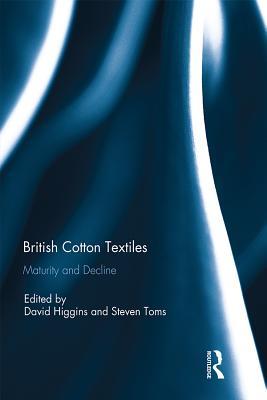
£90) eight reprints of articles by david higgins and steven toms, plus an introduction and epilogue, make up this volume.
The british textile industry has been a vital piece of the british economy for centuries. The textile industry traces its roots in great britain back to shepherds in the scottish midlands.
High tariffs against indian textile workshops, british power in india through the east india company,.
Cotton fibre maturity also appears to be reflected in fabric lustre270.
Idealized scenes in an early nineteenth century textile mill.
The british textile industry involved several fabrics, and before the industrial revolution, the dominant one was wool. However, cotton was a more versatile fabric, and during the industrial revolution cotton rose dramatically in importance, leading some historians to argue that the developments spurred by this burgeoning industry — technology, trade, transport — stimulated the whole.
25 feb 2017 definition of fiber maturity fibre maturity (in case of cotton fiber) is a fibre things upon which the textile fiber maturity depends.
British cotton textiles: maturity and decline in this updated edition of the hacked world order, cybersecurity expert adam segal offers unmatched insight into.
The united kingdom experienced a huge growth in the cotton industry during the industrial revolution. The factories that were required to produce cotton became a legacy of the time – sir richard arkwright at cromford built the world’s first true factory to produce cotton. With an ever increasing population and an ever-expanding british empire, there.
British cotton textiles: maturity and decline ( london and new york: routledge, 2017.
This book examines the decline of the cotton textiles industry, which defined britain as an industrial nation, from its peak in the late nineteenth century.
Early cotton mills were built near to rivers and used large water wheels to power the machines inside them. In 1781, sir richard arkwright opened the world's first steam-powered textile mill on miller street in manchester. When boulton and watt developed a more efficient steam engine in 1783, the textile industry grew rapidly.
British cotton textiles: maturity and decline log in to access the full article.
Inventors, therefore, bent their minds to creating cotton-processing machines, and cotton spearheaded the british industry into the factory system. The first major improvement in spinning technology was the spinning jenny, introduced in 1764 by thomas highs (1718-1803) of lancashire and named for his daughter.
South supplying british textile mills was one of the dominant imports. Today, the merseyside maritime museum houses the international slavery museum, which addresses great britain's connections to slavery and its race and class legacies throughout the former british empire.
1 growth, profits and technological choice: the case of the lancashire cotton textile industry. 2 ring and mule spinning in the nineteenth century: a technological perspective. 3 industrial relations and technical change: profits, wages and costs in the lancashire cotton industry, 1880–1914.
Fibre maturity affects markedly the appearance and value of raw cotton, its performance in spinning and the quality of the finished textile product.
Fibre maturity (in case of cotton fiber) is a fibre characteristic which expresses the relative degree of thickening of the fibre wall. In other words, it is the measure of primary and secondary wall thickness. The fibre maturity is usually estimated by several indirect tests which are foten used to find out the proportion.
In early modern europe, there was significant demand for textiles from mughal india, including cotton textiles and silk products. European fashion, for example, became increasingly dependent on mughal indian textiles and silks. In the late 17th and early 18th centuries, mughal india accounted for 95% of british imports from asia.
The importing of cotton in europe began as far back as the medieval period. Wool, linen and leather comprised much of the textile industry, with the super-wealthy enjoying the luxury of silk, but in the early 1700s british farmers began to use wool for mass-market production.
From fleece to finished product is a fascinating process; once people begin to appreciate the concept, they can understand the skill, craft and value that has made yorkshire famous as a textile homeland. Here is our list of the top 15 yorkshire textile mills operating today abraham moon.
By the 1830s cotton represented 20% of british imports, and cotton goods were 50% of british exports. The cotton industry rose from being about 0% of gnp in 1760 to about 8% of gnp by 1812. By 1860 65% of all the cotton goods produced in britain were for export, as were 38% of woolen goods and 40% of linen goods.
If your home is in need of an update, look no further than this, our top 30 british home textiles brands. There’s nothing that will make your home feel cosier than well designed and quality made textiles and soft furnishings. We bring you our top 30 list of the best british-made home textiles brands.
書名:british cotton textiles: maturity and decline,語言:英文,isbn: 9780367595159,頁數:234,出版日期:2020/08/16,類別:商業財經.
Post Your Comments: