Download Intellectual Property Rights and Communications in Asia: Conflicting Traditions - Pradip Thomas | ePub
Related searches:
Intellectual property rights, trade and health in the South-East Asia
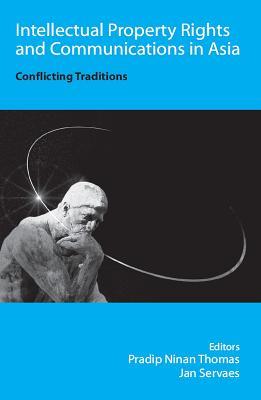
Intellectual Property Rights and Communications in Asia: Conflicting Traditions
A Summary of Intellectual Property Rights and its Various
Intellectual Property and Copyright AAUP
Intellectual Property Rights and Fighting Poverty - Study for the
The Intersection of Public Goods, Intellectual Property Rights, and
Intellectual Property Rights and Competition in Standard Setting: Obje
Advanced Master Intellectual Property Law and Knowledge
Intellectual Property and Rights Animal Genetics Training
Human Rights and Intellectual Property Rights – Tensions and - Brill
Intellectual property rights and research data - University of Reading
The Interface Between Intellectual Property Rights and Competition
Intellectual Property Rights and International Trade
Nature, Concept and Theories of Intellectual Property Rights
INTELLECTUAL PROPERTY BASIC CONCEPTS AND PRINCIPLES
Intellectual Property and the U.S. Economy USPTO
Intellectual Property Rights Pros and Cons Back Office Pro
Concept, Scope and Nature of Intellectual Property Rights
Intellectual Property Rights and Human Rights
Protecting Intellectual Property and the Nation’s Economic
Intellectual Property Law and Legal Definition USLegal, Inc.
10 Intellectual Property Rights and Competitive Strategy
INTELLECTUAL PROPERTY RIGHTS-LAWS AND PRACTICES
History and Sources of Intellectual Property Law
Intellectual property law dates at least as far back as medieval europe. In those times, “guilds,” or associations of artisans in a particular industry, were granted authority by the governments to control the regulation and conduct of the various industries.
Recognition of intellectual property rights what follows are excerpts from a number of documents, most of which have widespread international support. What is clear is that those concerned about human rights made a conscious and concerted effort to ensure that intellectual property rights were protected.
Intellectual property law (ip law) is the collective term for a number of special types of property law, including tradename, trademarks,.
Under a strong intellectual property rights system, a balance is struck between rewarding the innovator and giving the public access to new product or technology. Moreover, utility patents for plants and plant patents provide a mechanism to enforce resistance management practices and other forms of environmental stewardship through licensing.
One way for a right holder to commercially exploit his or her intellectual property rights includes issuing a licence to someone else to use the rights. Recognizing the possibility that right holders might include conditions that are anti-competitive, the trips agreement says that under certain conditions, governments have the right to take action to prevent anti-competitive licensing practices.
Intellectual property (ip) refers to the protection of creations of the mind, which have both a moral and a commercial value.
Locating your property line is essential in keeping your property separate from your neighbor's. This is also beneficial in case of liability disputes regarding trees, fences or old buildings causing damage on you or your neighbor's land.
Cambridge core - intellectual property - the interface between intellectual property rights and competition policy.
Constitution the law of copyrights arises under the constitution, article 1, section 8, clause 8: the congress shall have power��� to promote the progress of science and the useful.
16 dec 2020 intellectual property rights (ipr), very broadly, are rights granted to creators and owners of works that are the result of human intellectual.
Ip includes copyrights, which cover works of authorship, such as books, logos and software.
The rights you have over these creations are intellectual property rights, which are protected by law through patents, copyright, and trademarks, for example. These protections allow you as a creator and an inventor to be recognised and financially benefit from your creations.
It then examines the extent to which bilateral investment treaties (bits) and investment chapters of rtas provide for ipr protection above the standards embodied.
This collection offers an overview of the issues involved concerning the interface between human rights and intellectual property rights (iprs).
The human rights and the intellectual property rights are the two domains of law that have evolved independently. Intellectual property rights consist of statutorily recognized rights, providing incentives for the participation of the private sector in various fields and seek to contribute to technological development.
Intellectual property rights (iprs) refer to the bundle of legal rights granted with the aim to protect the creations of the intellect of either an individual or a group or an organization individually or collectively. Intellectual property is divided into two broad classes: industrial property and copyright.
Intellectual property is generally characterized as non-physical property that is the product of original thought. Typically, rights do not surround the abstract non-physical entity; rather, intellectual property rights surround the control of physical manifestations or expressions of ideas.
Intellectual property rights (ipr) are very important to the economic development and the progress of modern society. Since china formally joined the world trade organization (wto) on december 11, 2001, it has established a basic intellectual property rights legal system.
When someone secures patent rights, they obtain the right to prevent other people from making, using, selling (or offering to sell), the invention which is protected by the patent. Let’s dive deeper to help entrepreneurs better understand how to protect their own intellectual property, and also how to avoid infringing the rights of others, attorney chris brown writes.
Office of the assistant secretary for planning and evaluation office of the assistant secretary for planning and evaluation.
Intellectual property refers to intellectual activity in the industrial, scientific, literary and artistic fields. In the context of health care, the concept relates to topics.
Economy industries in focus patents, trademarks, and copyrights are the principal means for establishing ownership rights to inventions and ideas, and provide a legal foundation by which intangible ideas and creations generate tangible benefits to businesses and employees.
Are you fascinated by the ins and outs of intellectual property protection systems in the eu, us, asia and beyond? do you want to advance your international.
Types of ip rights patents - protect inventions and new processes trade marks - protect logos, words and other branding copyright - protects art, writing, music,.
The protection and enforcement of intellectual property rights should contribute to the promotion of technological innovation and to the transfer and dissemination of technology, to the mutual advantage of producers and users of technological knowledge and in a manner conducive to social and economic welfare, and to a balance of rights and obligations.
Property rights entails proficient, directed and timely updated guidance in the field of intellectual property rights. Intellectual property has increasingly assumed a vital role with the rapid pace of technological, scientific and medical innovation that we are witnessing today. Moreover, changes in the global economic environment have influenced the development of business models where intellectual property is a central element establishing value and potential growth.
Intellectual property rights protection in a country is a way to seek the trust of foreign investors in the country that will allow its economy to grow. I see that as a specific and very strategic move, one that explains why in countries such as mexico and chile, the intellectual property rights laws are changing at this particular time.
Many translated example sentences containing intellectual property rights – dutch-english dictionary and search engine for dutch translations.
These rights are also outlined in article 27 of the universal declaration of human rights. In the year 1967, the world intellectual property organisation (wipo) was established by the united nations (un) as the global forum for intellectual property services, policy, information, and cooperation.
Pci security standards council intellectual property rights policy.
By seeking property rights over your intellectual property — property that is a creation of the mind, such as an invention, symbol, or even a name. You establish rightful ownership and prevent the unlawful use of your property. What’s more, establishing intellectual property rights can help to fuel the economy and stimulate further.
Intellectual property (ip) is an intangible creation of the human mind, usually expressed or translated into a tangible form, that is assigned certain rights of property. Examples of intellectual property include an author's copyright on a book or article, a distinctive logo design representing a soft drink company and its products, unique.
Different intellectual property rights subsist in the same kind of object. Most intellectual property rights are likely to be embodied in objects. Intellectual property attempts to preserve and find adequate reconciliation between two competing interests.
Intellectual property and rights intellectual property refers to creations of the mind such as inventions, all forms of literacy, artistic works, designs, including tradition-based creations, methodologies and the associated knowledge that are important for the management and sustainable use of genetic resources.
Overview of intellectual property laws a wide body of federal and state laws protects creative property such as writing, music, drawings, paintings, photography, and films.
Intellectual property (or ip) is an intangible creation that a person or business owns. The law gives the owner rights and privileges over the creation. These rights protect the owner, stopping others from using the creation without permission. This protection lasts for up to 20 years from the date of the patent application.
First published tue mar 8, 2011; substantive revision wed oct 10, 2018. Intellectual property is generally characterized as non-physical property that is the product of original thought. Typically, rights do not surround the abstract non-physical entity; rather, intellectual property rights surround the control of physical manifestations or expressions of ideas.
There are quite a few pros to protecting your rights in terms of intellectual property. For instance, patents, trademarks and copyrights all give your business important advantages and incentives. Trademarks allow you to build your brand and create a stronger company.
Attorney general eric holder is visiting beijing this week to discuss intellectual property rights by michael kan idg news service today's best tech deals picked by pcworld's editors top deals on great products picked by techconnect'.
Intellectual property rights (biotechnology) give companies a way to protect exclusive use of pharmaceuticals, brand names and more.
Learn why and how to safeguard intellectual property rights in discoveries and inventions made with nih funds. Understand grantees’ rights and responsibilities in inventions made with nih funds.
A strategic handling of a company's intangible assets can catapult small, local businesses toward greater global recognition. You're reading entrepreneur middle east, an international franchise of entrepreneur media.
Intellectual property (ip) contributes enormously to our national and state economies. Dozens of industries across our economy rely on the adequate enforcement of their patents, trademarks, and copyrights, while consumers use ip to ensure they are purchasing safe, guaranteed products. We believe ip rights are worth protecting, both domestically and abroad.
Intellectual property rights in the united states are regulated through the federal government through a number of rights. The four main intellectual property rights in the united states are copyright; patent; trademark; and trade secrets. Article 1, section 8 of the united states constitution gives congress a number of enumerated powers, one of them being that:.
A strong system of ip rights assures inventors, industrial designers, and creative artists that their ideas will be protected.
Intellectual property (ip) refers to creations of the mind, such as inventions; literary and artistic works; designs; and symbols, names and images used in commerce. Ip is protected in law by, for example, patents, copyright and trademarks, which enable people to earn recognition or financial benefit from what they invent or create.
A database is defined in law as 'a collection of independent works, data or other materials which:.
What is intellectual property? the world intellectual property organization defines intellectual property as creations of the mind or intellect, including inventions, literary and artistic works, designs, symbols, names and images used in commerce. Patent, copyright and trademark law all fall under the umbrella of intellectual property in the united states.
Businesses, and robs hard-working americans of their jobs, which negatively impacts the economy. Counterfeit, adulterated and substandard goods can also pose public health and safety risks for consumers.
Competition and intellectual property rights (iprs) are both necessary for a market to work efficiently and to promote consumer welfare.
Secure your intellectual property both physically and digitally.
Post Your Comments: