Download Discipline Over Punishment: Successes and Struggles with Restorative Justice in Schools - Trevor Gardner file in ePub
Related searches:
Discipline Over Punishment: Successes and Struggles with
Discipline Over Punishment: Successes and Struggles with Restorative Justice in Schools
Discipline over punishment : successes and struggles with
Discipline over Punishment : Successes and Struggles with
The Difference Between Successful and Very Successful People
Crime and Punishment
Amazon.com: Discipline Over Punishment: Successes and
Living Restoration: Discipline over Punishment: Successes and
How school discipline — and student misbehavior — has changed
The American School Discipline Debate and the - eGrove
The Difference Between Discipline and Punishment - Parenting
The Difference Between Punishment and Discipline
Which is better: discipline or motivation? i've determined a few key metrics you should know. Early rate through december 4 when it's time to get something done there two ways to kick yours.
29 jan 2021 obviously, the new charter school policy is based on race. Basically, it is well known that class discipline and results are interlinked.
“ discipline over punishment offers a timely antidote to the ubiquitous oppressive practices that have for far too long fueled the school to prison pipeline and limited the life possibility particularly for youth of color in us schools. Gardner invites the reader to consider portraits of teachers and students engaged in restorative practices that highlight the possibility of transformative discipline that supports and sustains teaching toward liberation and social change.
Audiobook discipline over punishment: successes and struggles with restorative justice in schools.
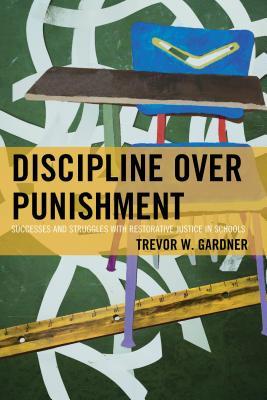
Discipline over punishment is an exploration of the transformative potential of restorative discipline practices in schools, ranging from the micro-level of one-on-one interactions with students to the macro-level of re-routing the school-to-prison pipeline and improving life outcomes for young people. Gardner, who continues to teach high school in oakland, ca, has spent nearly 20 years innovating, struggling, and succeeding to implement various restorative justice practices in classrooms.
The irony of punishment is that the more you use it to control your students' behaviors, the less real influence you have over them. In addition, if students behave because they are forced to behave, the teacher has not really succeeded.
Discipline over punishment is an exploration of the transformat.
Discipline over punishment is an exploration of the transformative potential of restorative discipline practices in schools, ranging from the micro-level of one-on-one interactions with students to the macro-level of re-routing the school-to-prison pipeline and improving life outcomes for young people. Gardner, who continues to teach high school in oakland, ca, has spent nearly 20 years.
Discipline is the practice of training someone to behave in accordance with rules or a code of conduct so they can adopt desirable future behavior. Punishment is inflicting suffering in someone for their past behavior.
Discipline over punishment offers a timely antidote to the ubiquitous oppressive practices that have for far too long fueled the school to prison pipeline and limited the life possibility particularly for youth of color in us schools.
Jane nelsen - solutions for she achieved from her successes and failures as a mother of seven children� on the understanding that the key to positive parenting is not punishm.
Living restoration: discipline over punishment: successes and struggles with restorative justice in schools.
What makes the difference between a team that performs and one that doesn’t? groups don’t become teams because that is what someone calls them. Nor do teamwork values by themselves ensure team performance.
Du-dps researcher-practitioner partnership on school discipline. Research team: was not something deserving of punishment, shame or judgment.
To be clear, punishment, not necessarily discipline, has to be reconsidered as practiced in some schools (duncan-andrade, 2016). An obsessive focus on punishment—to the point where it becomes more important than helping students gain the knowledge and skills needed to enrich their lives—is problematic at best.
Here, clearly explained, are the six secrets to getting your messages across -- for good.
Positive discipline is a more effective way to manage misbehaving students in the classroom, rather than using punishment or rewards. It allows students to learn and adapt their behaviors to meet.
Positive discipline is not only about avoiding corporal punishment and respecting the basic rights of the success of this strategy relies on three main factors.
As professionals looked for a way to make employees more responsible for their own behavior and successes, traditional discipline began to give way to more innovative approaches. Positive discipline, or discipline without punishment, has been around for a while.
Often people consider discipline and punishment to be synonyms, but that couldn’t be further from the truth. According to michigan state university extension, punishment and discipline are very different and have separate outcomes for children and distinct impacts on parents and caregivers.
Here are a few tips to prevent outbursts and bad behavior without negatively impacting your 2-year-old child and their development.
Post Your Comments: