Read Pneumonia: Its Supposed Connection, Pathological and Etiological, with Autumnal Fevers; Including an Inquiry Into the Existence and Morbid Agency of Malaria (Classic Reprint) - René La Roche file in ePub
Related searches:
The Connection Between Pneumonia and Lung Disease American
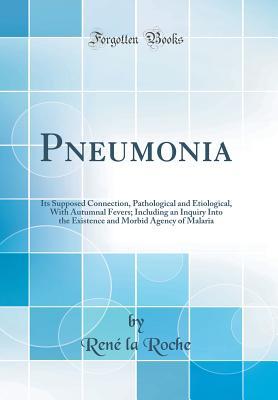
Pneumonia: Its Supposed Connection, Pathological and Etiological, with Autumnal Fevers; Including an Inquiry Into the Existence and Morbid Agency of Malaria (Classic Reprint)
Coronavirus and Pneumonia: COVID-19 Pneumonia Symptoms
Pneumonia - Causes Symptoms Treatment and Prevention - PKIDs
Pneumonia: its supposed connection, pathological and
Pneumonia : its supposed connection, pathological and
Coronavirus and Pneumonia: COVID-19 Pneumonia Symptoms, Treatment
How can I feel better with pneumonia? - WebMD
Fact check: No evidence mask wearers arrive in ICUs with pneumonia
Pneumonia NHLBI, NIH - National Heart, Lung, and Blood Institute
Pneumonia Contagious Facts: Risk factors, Duration and Prevention
Pneumonia vaccine: How often and when to seek help
Association between Pneumococcal Pneumonia and Acute Cardiac
how to sleep with pneumonia Answers from Doctors HealthTap
Pneumococcal Disease Symptoms and Complications CDC
Fact check: CDC did not add flu and pneumonia cases to its
Does the Pneumonia Shot Have Side Effects? Healthfully
In the united states, common causes of viral pneumonia are influenza, respiratory syncytial virus ( rsv),.
Streptococcus pneumoniae is a common cause of community-acquired infections. Pneumococci are estimated to cause up to 40% of cases of community-acquired pneumonia and 40,000 deaths annually in the united states. 1,2 presenting complaints with pneumococcal pneumonia usually include fever and pulmonary symptoms; however, gastrointestinal symptoms, including diarrhea, may also be present.
What is the connection between influenza and pneumonia? influenza (flu) is a highly contagious viral infection that is one of the most severe illnesses of the winter season. Influenza is spread easily from person to person, usually when an infected person coughs or sneezes.
Klebsiella pneumoniae is a superbug that causes a range of diseases, depending on which part of the body it infects.
But lakhani added that pneumonia usually doesn't rapidly progress, so it could be ruled out in this case. Scans from a 27-year-old woman who worked in wuhan showed a ground-glass halo.
Jun 14, 2020 lying flat on your back for a long time can increase your risk of developing pneumonia.
Oct 23, 2020 bacterial pneumonia can occur on its own or develop after you've had a viral read about the connection between the flu and pneumonia.
The most common type of bacterial pneumonia is called pneumococcal pneumonia and occurs when streptococcus pneumoniae bacteria spreads from person to person through coughing or close contact. When these bacteria reach your lungs, the lungs' air sacs (alveoli) can become inflamed and fill up with mucus.
In community-acquired pneumonia (cap ), you get infected in a community setting.
Pneumonia and sepsis are interrelated because severe cases of pneumonia can eventually lead to sepsis if not properly treated. Sepsis is a severe infection within the bloodstream, also called a blood infection or blood poisoning, and it can be deadly if not caught and treated promptly.
Pneumonia is an infection that causes inflammation in the lung’s air sacs. The inflammation can cause the sacs to fill with pus or fluid.
Mar 4, 2020 you have pneumonia, which is an infection in your lungs. Now that you are going home, follow the health care provider's instructions on taking.
This type of pneumonia is rarely serious and with proper treatment typically goes away faster than bacterial pneumonia. That said, a cough could remain for several weeks as your body clears the lungs and returns back to normal. Mycoplasma pneumonia: mycoplasma pneumonia, also called walking pneumonia, is an atypical form of bacterial pneumonia.
Older adults with pneumococcal pneumonia may experience confusion or low alertness, rather than the more common symptoms listed above. Complications of pneumococcal pneumonia include: infection of the space between membranes that surround the lungs and chest cavity (empyema).
Abnormal cells in lung tissue that multiply causing malignant tumors in the lung(s) cause lung cancer. Lung cancer and pneumonia have similar symptoms, and both can be fatal. If a person has lung cancer and gets pneumonia, the prognosis and life expectancy is poor.
Covid-19 pneumonia vs pneumonia: understanding the difference in this article, we’ll take a closer look at covid-19 pneumonia, what makes it different, symptoms to watch out for, and how it’s.
Pneumonia is a common stroke complication, but it doesn’t have to happen to you! around the globe, 15 million people suffer a stroke every year and approximately half of all acute stroke survivors will experience dysphagia as a result.
Bacterial pneumonia germs are easily spread when an infected person coughs, sneezes, or has close contact with others.
Pneumonia: its supposed connection, pathological and etiological, with autumnal fevers� including an inquiry into the existence and morbid agency of malaria [la roche, r 1795-1872] on amazon.
Pneumonia is an infection in your lungs caused by bacteria, viruses, fungi, or parasites. You can become infected if you come in contact with someone who is sick. You can get pneumonia if you recently had surgery or needed a ventilator to help you breathe. Pneumonia can also be caused by accidentally inhaling saliva or small pieces of food.
The study also showed the vaccine prevented pneumonia in children. A cdc study found pcv7 protected nearly all (96%) healthy children against pneumococcal disease caused by vaccine serotypes. Receiving at least one shot also protected 4 in 5 (81%) children with sickle cell disease, who are at increased risk of pneumococcal disease.
Although it’s unclear where the facebook user found the numbers, the cdc did not lower the death count, nor did it admit adding influenza and pneumonia to its covid-19 death count.
Walking pneumonia (aka atypical pneumonia) strikes about 2 million people in the united states.
It’s still possible to get pneumonia even if you’ve had either of these shots. Each of the two vaccines is about 50 to 70 percent effective.
The cdc has long recommended that in order to acquire the best protection against all strains of bacteria that cause pneumonia, all adults 65 and older should receive two pneumococcal vaccines: the pneumococcal conjugate vaccine (pcv13 or prevnar 13) followed by the pneumococcal polysaccharide vaccine (ppsv23 or pneumovax) at a later visit.
Pneumococcus is spread through contact with people who are ill or who carry the bacteria in their throat. You can get pneumococcal pneumonia from respiratory droplets from the nose or mouth of an infected person. It is common for people, especially children, to carry the bacteria in their throats without being sick.
Sep 13, 2016 then, patients cough up the phlegm that infected lungs produce, meaning the microbes' offspring can spread to their next human home.
Pneumonia is an inflammatory condition of the lung primarily affecting the small air sacs known as alveoli. Symptoms typically include some combination of productive or dry cough, chest pain, fever and difficulty breathing.
Pneumonia information including symptoms, diagnosis, treatment, causes, videos, forums, and local community support.
Sep 23, 2020 after their face masks caused them to develop a strain of pneumonia breathing in the pathogenic organisms they were meant to exhale.
Pneumonia [microform]: its supposed connection, pathological and etiological, with autumnal fevers� including an inquiry into the existence and morbid agency of malaria [la roche, rené] on amazon.
It’s difficult to pinpoint exactly when pneumonia becomes contagious, because it depends on what caused it, so it could be anywhere from two days to two weeks following exposure to the pathogen. Generally speaking, most cases of pneumonia are less contagious about 24 to 48 hours after antibiotics have been introduced.
The pneumonia shot is a vaccination given to prevent illness caused by streptococcus pneumoniae bacteria, also known as pneumococcus. Infection with this bacteria can cause serious problems, including pneumonia, blood infection or meningitis -- infection of the coverings surrounding the brain and spinal cord.
Doctors in 147 specialties are here to answer your questions or offer you advice, prescriptions, and more.
Pneumonia is an infection of the lungs that can reduce the body's capability to circulate oxygen to organs. Septic shock is considered a medical emergency and treating and it's essential to manage it quickly. Physicians will typically treat this condition by first correcting hypoxia.
Get those high temps back to normal with over-the-counter medications like aspirin, ibuprofen, naproxen, or acetaminophen.
Nov 13, 2017 what is pneumonia? pneumonia is an infection of the lungs that can be caused by a variety of different pathogens, including viruses, bacteria,.
Pneumococcal pneumonia, a kind of pneumonia, can infect the upper respiratory tract and can spread to the blood, lungs, middle ear, or nervous system. Pneumococcal pneumonia mainly causes illness in children younger than 5 years old and adults 65 years of age or older.
What's the connection between the new coronavirus and pneumonia? it's possible that breathing difficulties may continue during and after recovery due to lung damage.
Post Your Comments: